
Introduction
A successful indoor attraction starts with more than colorful decorations and exciting games. It needs a clear concept, smart space planning, safe visitor flow, and experiences that encourage families to spend more time together. This is why family entertainment center design plays such an important role in creating modern indoor theme parks and themed commercial spaces. When attractions, interiors, sculptures, graphics, and interactive features work together, a venue can feel like one complete world rather than a collection of separate activities.
For companies planning a new attraction, working with an experienced design and construction partner can make the process more organized. ESAC Art, also known as Elephant Sculpture Art Company Ltd., provides one-stop services covering planning, design, construction, delivery, and operations. Since its establishment in 2003, the company has focused on environmental art and has worked on indoor theme parks, cultural tourism projects, commercial spaces, themed wax museums, and other entertainment environments. Its experience across thousands of projects provides useful insight into how indoor attractions can be planned around visitor needs, storytelling, safety, and long-term commercial value.
Interactive Adventure Zones
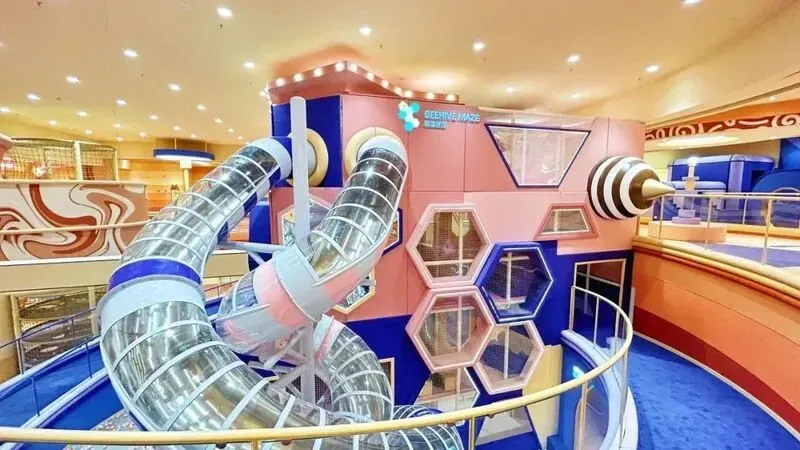
Interactive adventure zones can give a family entertainment center a strong sense of energy and movement. These spaces may include climbing challenges, soft adventure structures, obstacle courses, exploration areas, and age-appropriate interactive installations. The goal is not simply to add more equipment but to create a connected experience where visitors can move naturally from one attraction to another. In effective family entertainment center design, designers consider sightlines, circulation, age groups, capacity, safety zones, and the relationship between active and quiet areas.
The visual design of an adventure zone can also turn an ordinary activity into a memorable themed experience. Rockwork, artificial landscapes, large sculptures, murals, themed props, and custom structures can support concepts such as space exploration, fantasy worlds, forests, oceans, or educational adventures. ESAC Art's experience in sculpture art, interior design, illustration, landscape design, and tourism planning allows different creative elements to be considered as part of one environment. This integrated approach can help an attraction feel distinctive while supporting practical requirements.
Immersive Themed Environments
Immersive environments are another valuable element of modern indoor entertainment. A well-developed theme can begin at the entrance and continue through corridors, activity areas, seating spaces, retail zones, and photo opportunities. Instead of treating decoration as an afterthought, family entertainment center design can use architecture, color, lighting, graphics, sculpture, and storytelling to create a consistent visual identity. A strong environment can also make the visitor journey easier to understand by giving different zones their own recognizable character.
Themed environments can be designed around many concepts, including fairy tales, wildlife, science, fantasy, cultural stories, and futuristic exploration. Custom sculptures and artistic installations can become visual landmarks that help visitors remember the venue and create natural photo opportunities. ESAC Art has completed projects involving indoor amusement brands, theme parks, cultural tourism environments, and themed commercial spaces, giving it experience with the creative and practical demands of large-scale themed projects. Careful coordination between concept development and construction is especially important when a project contains many custom artistic elements.
Family-Friendly Role-Play Attractions
Role-play areas can encourage children to explore real-world activities through imaginative play. A center might include a miniature city, medical clinic, supermarket, workshop, studio, airport, or other themed setting. These attractions can be designed to support creative play while giving parents comfortable areas from which to observe. Good family entertainment center design balances children's activities with practical visitor needs, including clear circulation, comfortable waiting areas, appropriate lighting, and easy supervision.
Role-play environments also benefit from detailed visual design. Small-scale buildings, signs, furniture, props, wall graphics, and custom sculptures can make a simple activity feel like part of a larger story. Designers should consider durability because high-traffic attractions experience frequent use. Materials, finishes, and construction details need to match the expected visitor volume and maintenance plan. When planning, design and construction teams can work together from the beginning to reduce unnecessary changes and create an environment that is both attractive and practical.
Creative Learning and Discovery Spaces
Indoor entertainment does not have to focus only on physical play. Discovery spaces can combine education with interactive entertainment, giving families opportunities to explore science, nature, art, technology, and culture. Interactive walls, creative workshops, sensory installations, themed exhibitions, and hands-on displays can provide different experiences for children with different interests. Including these features within family entertainment center design can also help create a more balanced visitor journey by placing quieter learning activities alongside active attractions.
The environment itself can become part of the learning experience. For example, a nature-themed area can use sculpted animals, landscape elements, illustrations, and environmental graphics to introduce visitors to different habitats. A science zone can use futuristic forms and interactive displays to create a sense of exploration. ESAC Art's multidisciplinary team includes professionals in interior design, graphic design, illustration, landscape design, tourism planning, and sculpture art. Bringing these skills together can help create educational spaces where the theme, attraction, and visual environment support one another.
Photo Zones and Social Experiences
Photo opportunities have become an important part of modern entertainment venues. Families often want memorable pictures from their visits, so attractive photo zones can add value without requiring complex mechanical attractions. Large themed sculptures, oversized props, colorful gateways, artistic backdrops, character-inspired environments, and immersive installations can create natural places for visitors to stop and take photographs. Within family entertainment center design, these areas can be positioned along the visitor route so they enhance the experience without creating unnecessary congestion.
Social experiences can also encourage families to spend more time together. A well-planned venue may combine group games, interactive attractions, themed seating areas, performance spaces, and shared creative activities. The key is to create variety while maintaining a consistent theme. ESAC Art's one-stop approach covers planning, design, construction, delivery, and operations, which can help ensure that artistic features are considered alongside practical requirements. With experience serving clients in multiple international markets, the company can also adapt themed environments to different project concepts, audiences, and cultural settings.
Smart Planning for Long-Term Attraction Value
A strong indoor entertainment project should be planned around more than opening-day appearance. Designers need to think about visitor capacity, maintenance, safety, circulation, accessibility, staff operations, future updates, and the durability of materials. These factors influence how an attraction performs over time. A thoughtful family entertainment center design can create clear zones, efficient visitor movement, memorable visual features, and flexible spaces that can be refreshed as customer interests change.
ESAC Art's project experience demonstrates the value of combining creative design with construction and operational planning. The company states that it has completed nearly 5,000 design and construction projects worldwide and served more than 2,000 professional clients, with projects across China and international markets. Its services cover indoor theme parks, cultural tourism projects, themed commercial spaces, and related environments. For developers creating a new family entertainment venue, combining immersive attractions, interactive play, educational experiences, artistic installations, and practical planning can help establish a cohesive destination that families can enjoy across multiple visits.
Conclusion
Indoor attractions can transform a family entertainment center from a simple play venue into a complete themed destination. Adventure zones, immersive environments, role-play areas, discovery spaces, photo installations, and social experiences each offer different ways to engage visitors. The strongest results come when these elements are connected through thoughtful planning rather than added as separate features. This makes family entertainment center design an important part of creating a safe, attractive, memorable, and commercially practical indoor attraction.
With experience in environmental art, themed spaces, sculpture, interior design, tourism planning, construction, and project delivery, ESAC Art provides a broad approach to entertainment environment development. Its one-stop service model can connect early planning with design, construction, delivery, and operations. For developers exploring indoor theme parks or family entertainment projects, combining creative storytelling with practical space planning can create an environment that supports memorable visitor experiences and long-term project development.